Local Auto Guidance
Auto Insurance in Port St. Lucie, FL
Start with the coverage choices that fit your household.
What You Need to Decide
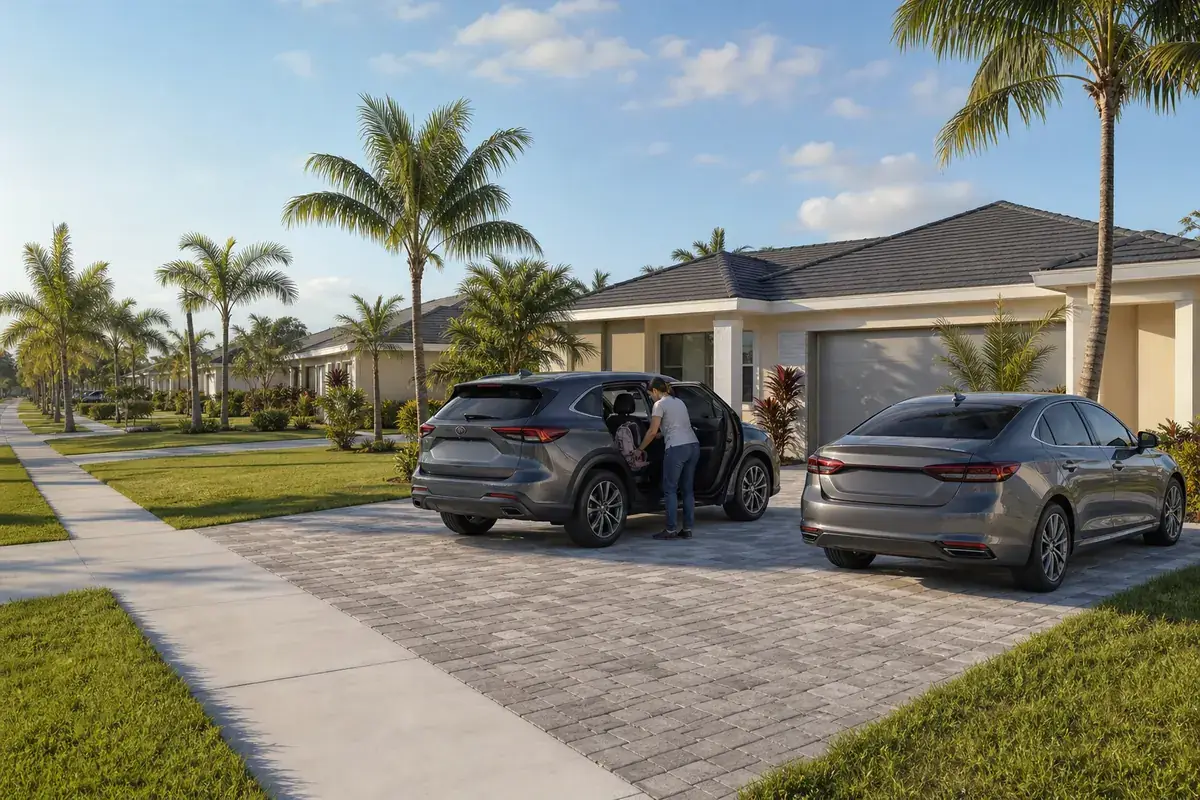
What matters most for your auto insurance in Port St. Lucie? For most households, the first decisions are how much protection you want, who needs to be listed, and whether your car has a loan or lease. Those choices affect nearly everything else. Daily traffic on I-95, Florida's Turnpike, US 1, Port St. Lucie Blvd, Gatlin Blvd, and Crosstown Pkwy can mean a very different insurance setup than a car that mostly stays close to home in a long residential grid. We help you sort the choices in a clear order so you can make a practical decision.
Some drivers need only the Florida minimum to register a car. Others want collision and comprehensive because they commute, have a newer vehicle, or cannot afford to replace a car after a loss. Households with teen drivers, several cars, part-year living arrangements, or a driver using a vehicle for rideshare or delivery often need a closer review. We focus on how your household actually uses each car in Port St. Lucie, St. Lucie West, Tradition, and on regular trips toward Stuart or West Palm Beach.
Auto Insurance Across St. Lucie County and Nearby
- Port St. Lucie, FL
- Fort Pierce, FL
- Stuart, FL
- Jensen Beach, FL
- Palm City, FL
- Tradition, FL
- St. Lucie West, FL
- Hutchinson Island, FL
- Hobe Sound, FL
- Lakewood Park, FL
- White City, FL
- Indian River Estates, FL
- River Park, FL
- Torino, FL
- Sandpiper Bay, FL
- Rio, FL
- Sewall's Point, FL
- Indiantown, FL
- Tequesta, FL
- Port Salerno, FL
- Fort Pierce North, FL
How We Review Auto Insurance
Auto insurance works better when you match it to your car, your drivers, and your usual routes. We keep the review centered on the decisions that affect coverage first, then the details that affect cost and day to day use.
Florida Registration Basics
Florida uses a no-fault system. For a standard private passenger vehicle, the state minimum to register is $10,000 in personal injury protection and $10,000 in property damage liability. That is the starting point, not always the final answer. Some drivers also need to think about whether bodily injury liability could be required after certain crashes or violations, including SR-22 or FR-44 filings.
When Minimum Coverage May Fall Short
State minimum coverage may fit an older car with a limited budget, but it often leaves gaps. If your car is damaged in a crash, minimum coverage generally does not pay to repair your own vehicle. That matters more when you rely on one car for work, school pickups, or daily travel across Port St. Lucie. We help you weigh the savings against the risk of paying out of pocket after a loss.
Collision and Comprehensive Choices
If you want protection for your own car, collision and comprehensive are usually the next decisions. Collision generally applies to crash damage to your vehicle. Comprehensive generally applies to non-crash losses such as storms, flooding, falling trees, theft, and fire. Many drivers call this full coverage, but that phrase is only common shorthand. It is not a separate policy type under Florida law.
Loans, Leases, and Required Coverage
A financed or leased vehicle often comes with coverage conditions from the lender or leasing company. That usually means you may need collision and comprehensive, and you may need specific deductible or limit choices. If you are moving to Florida and re-registering a car, this is worth checking early. We can help you line up your auto insurance with those requirements before you make changes.
Households with Several Drivers
Many Port St. Lucie households share vehicles across work, school, and weekend use. A family with multiple drivers may need to decide which cars should carry broader coverage and which ones can stay leaner. Teen drivers, part-year residents, and adult children using a car while home from school can all change how a policy should be set up. We help you review the household, not only one car in isolation.
Rideshare, Delivery, and Business Use
Personal auto insurance may not work the same way when a car is used for rideshare or delivery driving. If a vehicle is used to earn money, that should be part of the review from the start. The same goes for a car that regularly travels between Port St. Lucie and nearby Treasure Coast communities for work. A simple conversation about actual use can help avoid a bad surprise at claim time.
Uninsured Driver Concerns
Uninsured or underinsured motorist coverage is optional in Florida, but many drivers still consider it. If you spend a lot of time on busy routes such as US 1, Becker Rd, Prima Vista Blvd, or St. Lucie West Blvd, you may want to ask how this coverage could fit into your plan. Whether it makes sense depends on your budget, the value of your car, and how much financial risk you want to keep yourself.
Why Choose Us for Auto Insurance?
Built Around Daily Use
We start with how your household actually drives. Commuting across Port St. Lucie, crossing Crosstown Pkwy, heading west of I-95, or keeping a car mostly parked at home can point to different coverage choices.
Clear Florida Guidance
We explain the basic Florida rules in plain language, including what is generally required to register a car and where optional coverages may fit. If a licensed agent needs to step in, that follow-up is part of the process.
Helpful for Complex Households
Some of the hardest cases involve several drivers, teen drivers, financed cars, part-year residents, and work use. We organize the information first so the next step with a licensed agent is more productive and less rushed.
How to Review Your Options
List the Drivers
Start with every household driver and the cars each person uses. Include teen drivers, part-year residents, and anyone who regularly takes a car to work, school, or appointments.
Match Cars to Use
Look at each vehicle on its own. A financed daily commuter and an older backup car often do not need the same coverage approach, deductible, or limit choices.
Check Florida Minimums
Confirm the Florida coverage needed to register a standard private passenger vehicle. If you have prior issues that may involve SR-22 or FR-44, bring that up early.
Review Optional Protection
Decide whether collision, comprehensive, or uninsured motorist coverage may fit your budget and risk tolerance. Think about storms, theft, heavy commuting, and whether you could replace the car yourself.
Get a Guided Quote
Once the details are organized, we help move the request forward so a licensed agent can follow up with options that fit your Port St. Lucie household more closely.
Where to Check Florida Rules
For official Florida vehicle insurance and registration requirements, check the Florida Department of Highway Safety and Motor Vehicles. That is the main state source for current rules tied to registration and filings such as SR-22 or FR-44. If you want consumer help with insurance questions, the Florida Department of Financial Services consumer helpline is also a good source. We can help you understand how those rules may apply before a licensed agent follows up.
What Auto Insurance Costs
If you are trying to set a budget, published 2026 studies show a wide spread for Florida auto insurance. Reported full coverage averages run from $2,730 to $4,064 a year. Reported minimum coverage averages run from $1,014 to $1,696 a year. A practical statewide range is about $2,700 to $4,100 a year for full coverage and about $1,000 to $1,700 for minimum coverage. Florida generally runs above the national average, so local drivers should expect a broad range rather than one standard price.
| Source | Full coverage (per year) | Minimum coverage (per year) |
|---|---|---|
| Experian, 2026 | $2,730 | $1,696 |
| Bankrate, Feb 2026 | $3,884 | $1,056 |
| NerdWallet, Apr 2026 | $4,064 | $1,014 |
Typical range: about $2,700 to $4,100 a year for full coverage and $1,000 to $1,700 a year for minimum coverage. These are published statewide averages, not quotes.
Your premium can move up or down based on several choices and risk details. Common factors include your driving record, the vehicle itself, where it is usually parked, the deductibles you select, the limits you choose, annual mileage, and the other drivers in your household. A family car used every day on Port St. Lucie Blvd or I-95 may land differently than a car with lighter local use. Financed vehicles and teen drivers also often change the picture.
Auto Insurance Questions We Hear
What auto insurance do you need to register a car in Florida?
For a standard private passenger vehicle, Florida generally requires $10,000 in personal injury protection and $10,000 in property damage liability to register the car. That is the state minimum. Some drivers may need other filings or coverages after certain crashes or violations, so the exact answer can depend on your record and vehicle situation.
Is full coverage required in Port St. Lucie?
Full coverage is a common shorthand, not an official policy type. Florida does not generally require collision and comprehensive for every driver, but a lender or leasing company often does for a financed or leased car. Many local households also choose those coverages because replacing or repairing a vehicle after a crash or storm can be hard on the budget.
Does Port St. Lucie driving affect the kind of auto insurance you choose?
It often does. A household using I-95, Florida's Turnpike, US 1, Crosstown Pkwy, or Port St. Lucie Blvd every day may look at coverage differently from a household with short local trips. Commutes toward Stuart or West Palm Beach, several drivers sharing cars, and long residential parking patterns can all affect what choices make sense.
Should new Florida residents review their auto insurance before re-registering a car?
Yes, that is usually a smart step. If you are moving in from another state, it helps to confirm the Florida minimum needed for registration and whether your lender or lease company has its own requirements. It is also a good time to review household drivers, local mileage, and whether your current setup still fits how the car will be used here.
Do rideshare and delivery drivers need a different auto insurance review?
Usually, yes. If you use your vehicle for rideshare or delivery work, personal auto insurance may apply differently than it would for ordinary household use. That does not always mean the same answer for every driver, but it does mean the work use should be discussed early so a licensed agent can review the situation properly.
Contact Us Today for a Free Estimate
Ready to review auto insurance for your Port St. Lucie vehicle or property? Tell us what you have and we will follow up.
Free, no obligation.