Treasure Coast Boat Help
Boat Insurance in Port St. Lucie, FL
Compare your boat coverage options.
Start with the Big Choices
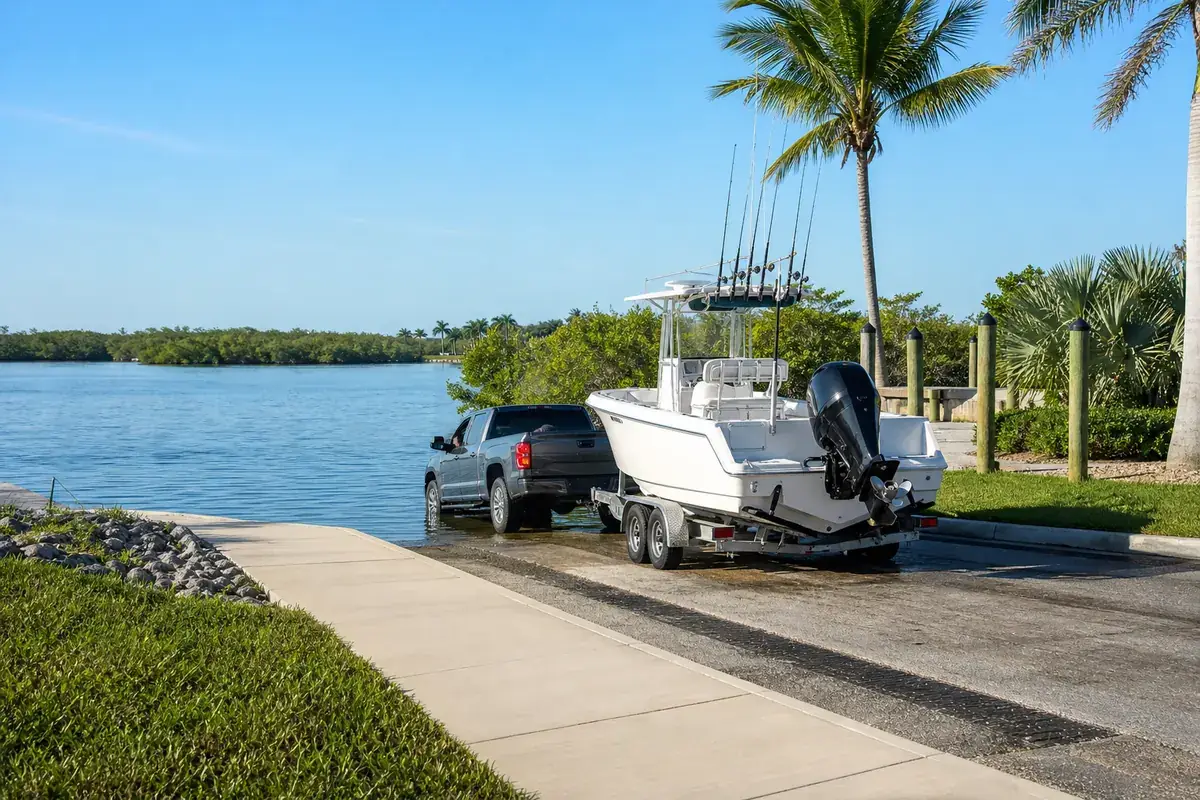
Port St. Lucie boat owners usually sort through three decisions first. You need to decide what property you want covered, how you want the boat valued after a loss, and what liability limits fit where and how you use it. Around Port St. Lucie, that often means thinking about trailering on US 1, crossing town on Crosstown Pkwy, and storing a boat near long residential routes west of I-95. We help you organize the details for center consoles, pontoons, sailboats, personal watercraft and trailers, then a licensed agent follows up with options and next steps.
Florida does not require boat insurance at the state level, but lenders and marinas often do. Even when it is not required, many owners want coverage for damage to the boat, damage you may cause to others, and storm-related planning. This matters in a city connected to the North Fork of the St. Lucie River, with people moving boats between home, storage and launch points. Our job is to give you clear information so you can ask better questions, compare policy terms, and avoid surprises later.
Boat Insurance Across St. Lucie County and Nearby
- Port St. Lucie, FL
- Fort Pierce, FL
- Stuart, FL
- Jensen Beach, FL
- Palm City, FL
- Tradition, FL
- St. Lucie West, FL
- Hutchinson Island, FL
- Hobe Sound, FL
- Lakewood Park, FL
- White City, FL
- Indian River Estates, FL
- River Park, FL
- Torino, FL
- Sandpiper Bay, FL
- Rio, FL
- Sewall's Point, FL
- Indiantown, FL
- Tequesta, FL
- Port Salerno, FL
- Fort Pierce North, FL
What Boat Policies Address
Boat insurance can be built in parts, and the wording matters. Some policies focus on liability, some add protection for the boat and equipment, and some add trailer, towing and storm planning. Here are the topics Port St. Lucie owners usually review first before they choose a policy.
Liability coverage
Liability coverage generally helps with damage or injury you may cause while using the boat. Limits can matter if you dock in tight spaces, carry guests, or move through busy areas. The exact scope depends on the policy, so it helps to check what counts as covered use, who is included as an operator, and whether fuel spills, guest injuries or damage to another boat are addressed.
Hull coverage and valuation
Hull coverage usually refers to damage to your own boat. A main decision is how the boat would be valued after a covered loss. Agreed value policies generally use a value set in advance. Actual cash value policies often factor in depreciation. That difference can change how a claim is paid, especially for newer boats, upgraded electronics or a boat with a loan attached.
Personal watercraft and small craft
A personal watercraft, small fishing boat or sailboat may need different wording than a larger center console or pontoon. Usage, speed, passenger count and storage can all affect what is offered. If you keep more than one watercraft or switch between family use and occasional guest use, it is smart to check operator restrictions and whether safety equipment or accessories are included.
Trailer protection
Many owners focus on the boat and forget the trailer until there is a problem on the road. Trailer coverage may help with physical damage to the trailer, while liability questions can depend on the towing setup and policy wording. In Port St. Lucie, where trips across Becker Rd, Prima Vista Blvd or St. Lucie West Blvd can be part of a normal launch day, trailer details deserve a close look.
Towing and assistance
Towing coverage may help if the boat becomes disabled on the water and needs assistance. Some owners also ask about roadside help for the trailer, but that is separate and should be confirmed in the actual policy terms. The main thing is to check when towing applies, whether there are distance or service limits, and whether emergency assistance for grounding, dead batteries or fuel delivery is included.
Named-storm and haul-out planning
Storm planning is a major issue on the Treasure Coast. Some policies may include hurricane haul-out reimbursement, while others may require a named-storm plan or set conditions about where the boat is kept. If your boat is stored on a lift, in a marina, at home, or moved inland before a storm, that can affect eligibility and claim handling. Reading these conditions early can prevent trouble later.
Navigational limits and lay-up periods
Navigational limits describe where the boat may be used under the policy. Lay-up periods describe months when the insurer expects the boat to be out of use or stored. These terms matter more than many owners expect. If you use the boat beyond the listed area, lend it out, or keep it active year round, the policy should match that reality. A mismatch can create claim issues when you need help most.
Why Choose Us for Boat Insurance?
Clear Local Focus
We write for Port St. Lucie and the surrounding Treasure Coast, not for a generic Florida page. That means we talk about the roads you use to move a boat, the storage choices common here, and the questions that come up with marinas, lenders and storm preparation.
Orderly Coverage Review
Boat insurance has more moving parts than many people expect. We help you sort the urgent choices first, including liability, damage to the boat, trailer needs and storm terms. That makes it easier to compare options without getting lost in policy wording.
Licensed Follow Up
You start here with practical information and a simple review process. After that, a licensed agent follows up to discuss your boat, how you use it, where it is kept and what coverage may fit. That keeps the process personal and specific to your situation.
How to Review a Policy
List Your Watercraft
Start with the basic facts. Note the type of boat, motor, trailer, major equipment, where it is stored and whether there is a loan. Include personal watercraft or extra trailers if they need to be reviewed too.
Describe How You Use It
Think about normal use, not ideal use. Say whether you fish, cruise with family, tow the boat often, keep it in the water, or store it at home. Usage affects liability, navigation terms and storm planning.
Choose Your Priorities
Decide what matters most to you. Some owners care most about liability limits. Others focus on hull coverage, agreed value, towing or named-storm features. Ranking these items helps narrow the policy structure faster.
Check Restrictions Closely
Read the terms for operators, navigational limits, lay-up periods, exclusions and trailer treatment. These details can change how useful the policy is. Small wording differences may matter a lot when a claim happens.
Compare Before You Decide
Once the structure is clear, compare options on the same basis. Look at valuation method, deductibles, limits and included extras instead of comparing a single price line. That gives you a more honest view of what you are buying.
Check Florida Rules
For state rules and registration details, the Florida Department of Highway Safety and Motor Vehicles is the best starting point. Boat insurance itself is generally not required by the state, but official agency pages are still useful when you want to verify titles, registration questions and related requirements. If you want consumer help about insurance terms, complaint options or general guidance, the Florida Department of Financial Services consumer helpline is another good source to review before you make a decision.
What Affects the Cost
Boat insurance pricing usually changes based on the boat itself, how it is used and how much protection you choose. The type of boat, age, length, motor setup, value, storage method and navigation area can all move the premium. Coverage choices matter too. Higher liability limits, lower deductibles, trailer coverage, towing protection, uninsured boater coverage and storm-related features may increase the cost. A boat kept in a more protected setting may be viewed differently than one left in the water or exposed during storm season.
Other personal and household details can also affect the premium. Insurers often review driving record, the vehicle used for towing, where the boat and trailer are parked, deductibles, liability limits, annual mileage, and household drivers. Prior claims may matter as well. Because policy wording varies, it helps to compare the same coverage structure across options instead of looking at price alone. A lower premium may come with tighter navigational limits, different valuation terms or fewer protections for equipment and trailer use.
Boat Insurance Questions We Hear
Is boat insurance required in Florida?
Florida generally does not require boat insurance at the state level. Even so, a marina or lender may require it before you dock or finance a boat. Many owners also choose coverage because liability, storm damage, theft and trailer issues can create large out-of-pocket costs. The key is to match the policy to how you use and store the boat.
What is the difference between agreed value and actual cash value?
Agreed value usually means the policy sets a value for the boat ahead of time, subject to the policy terms. Actual cash value often pays based on the boat's value at the time of loss, which may include depreciation. For many owners, this is one of the first choices to review because it can affect claim payments in a major way.
Can I insure the trailer with the boat policy?
Often, yes, but it depends on the policy. Some policies can include physical damage coverage for the trailer, while liability questions may be handled differently and should be reviewed closely. If you tow through Port St. Lucie on Gatlin Blvd, Becker Rd or Crosstown Pkwy, it is worth confirming exactly how the trailer is treated before you assume it is included.
Does boat insurance cover hurricane damage?
It may, depending on the policy and the cause of loss. Some policies can cover storm-related damage and may also include haul-out reimbursement or named-storm terms. Others may require a written storm plan, certain storage practices or prompt protective action. Because these conditions vary, owners on the Treasure Coast should review storm wording before the season becomes active.
What does uninsured boater coverage do?
Uninsured boater coverage is generally designed to help in situations where another boater causes damage or injury and does not have enough insurance, or any insurance at all, subject to the policy terms. Availability and details can vary. If you spend time in busier waterways or carry guests often, it is a coverage many owners ask about during a review.
Contact Us Today for a Free Estimate
Ready to review boat insurance for your Port St. Lucie vehicle or property? Tell us what you have and we will follow up.
Free, no obligation.